
Operational intelligence.
For critical systems.
CarbonDex transforms distributed operational telemetry into trusted system context, predictive risk intelligence, and earlier operational decisions.
Where small operational changes can have system-wide consequences.
Failures rarely begin
where they become visible.
Critical infrastructure generates enormous amounts of data. The challenge is understanding what it means.
A communications fault, a thermal shift, a change in reserve demand: separately, each may look insignificant. Together, they can reveal a developing condition across power, equipment, networks, and controls.
- 01
Trust the data
Authenticated history with the source and time context behind every change.
- 02
Understand the system
Relate each signal to the assets, sites, and loads that depend on it.
- 03
Anticipate risk
Surface developing conditions before static thresholds are necessarily crossed.
- 04
Act with context
Put evidence, dependencies, and potential impact in front of the operator.
Understand the system.
Not just the alert.
Explore the dependencies around one inverter. Select an asset to trace its upstream inputs, downstream effects, and supporting telemetry.
Five layers.
One operational picture.
From heterogeneous telemetry to trusted history, connected context, and informed decisions.
Explore the platformAssets · Sensors · Networks · Controls · Environmental data
Carbon Collect
Connect SCADA, sensors, controllers, networks, and operational sources.
02Carbon Mesh
Move operational information between distributed endpoints and services.
03Carbon DB
Preserve authenticated records and the time context behind a change.
04Carbon Sentinel
Connect relationships and surface emerging conditions and potential risk.
05CarbonUI
Bring evidence, dependencies, forecasts, and investigation into one view.
A small change.
A system-wide consequence.
A thermal deviation becomes meaningful when voltage, communications, efficiency, and environmental context are considered together.
 Connected operating picture
How a local condition could propagate.
This is a hypothetical path, not an inevitable outcome. Each transition depends on equipment, controls, reserve, and operating conditions.
- 01Converter degradation
Available output falls.
- 02Storage imbalance
Reserve absorbs the shortfall.
- 03Load transfer
Demand shifts to remaining supply.
- 04Secondary stress
Connected equipment carries more load.
- 05Service interruption
Demand may exceed available support.
Step 1 of 5: localized converter degradation.
The next decision starts
with connected evidence.
One continuous path from observation to operational understanding.
- 01
Observe
Collect infrastructure, network, sensor, and environmental telemetry.
- 02
Contextualize
Place each signal in its historical and operational context.
- 03
Correlate
Connect conditions that appear insignificant in isolation.
- 04
Forecast
Evaluate possible downstream effects and developing risk.
- 05
Investigate
Follow the evidence, dependencies, and operational timeline.
- 06
Act
Support a bounded, informed operator response.
Designed for
complex infrastructure.
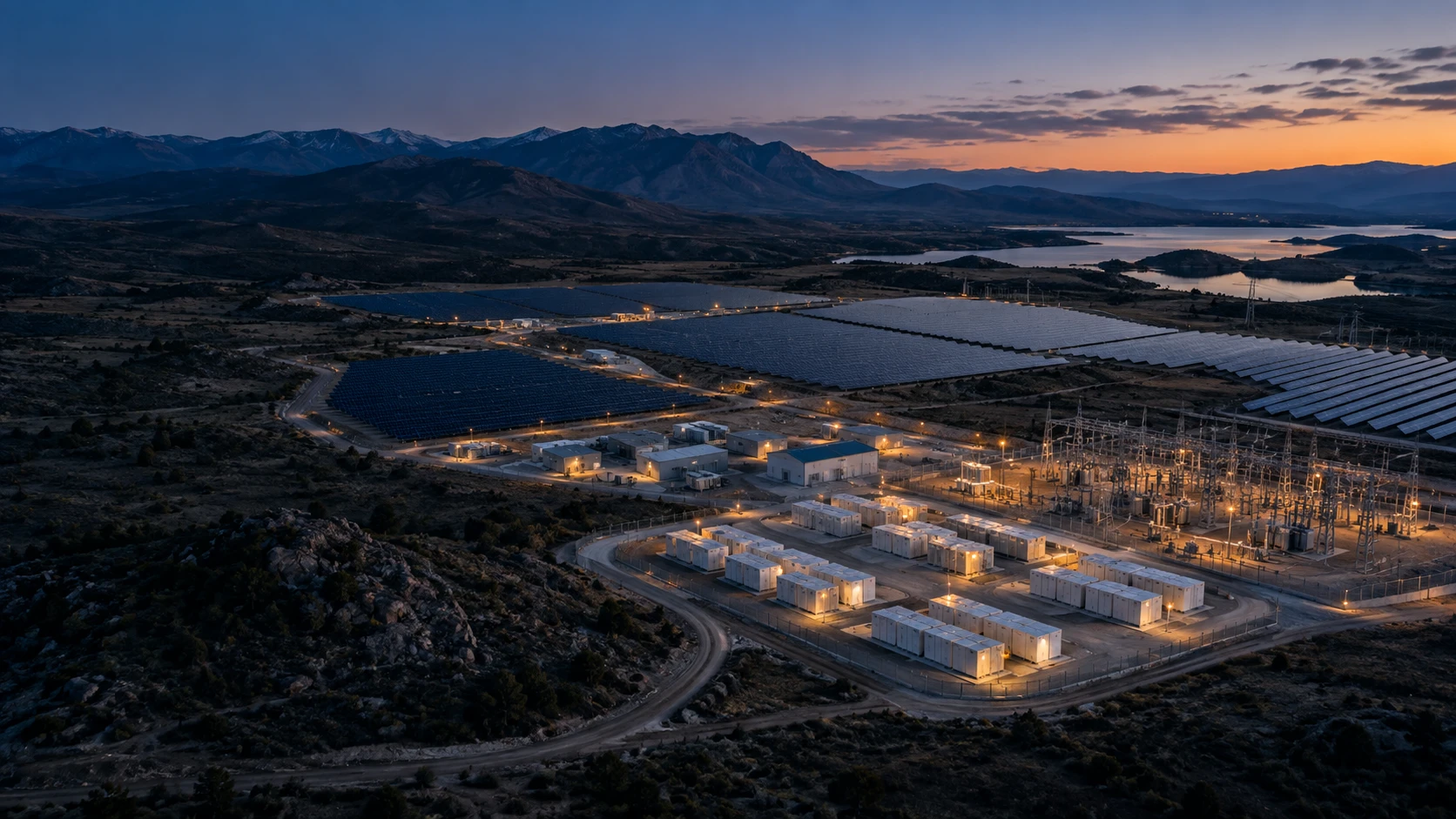
Energy
Microgrids · Substations · Storage · Power electronics
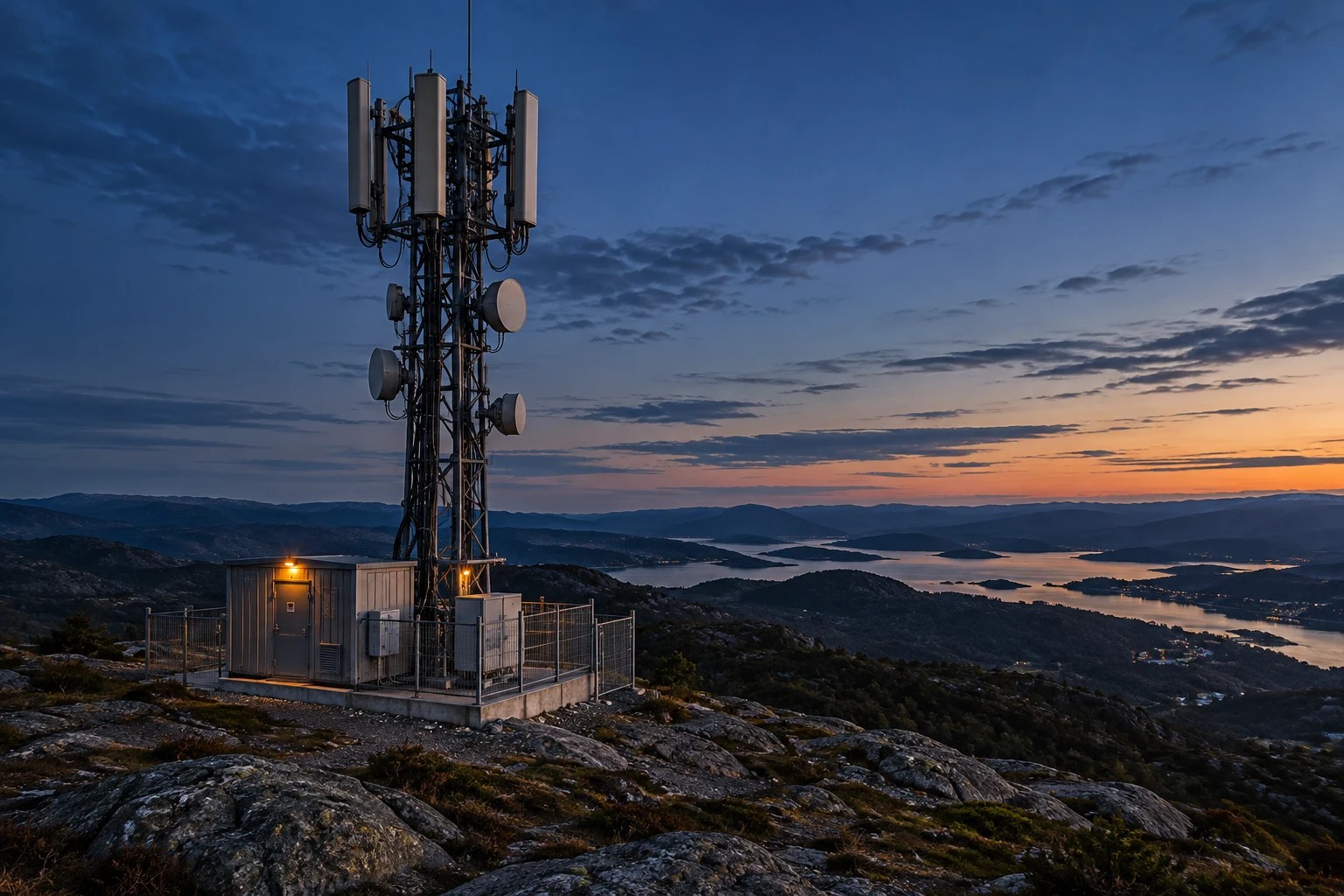
Telecommunications
Towers · Backhaul · Network equipment · Edge sites
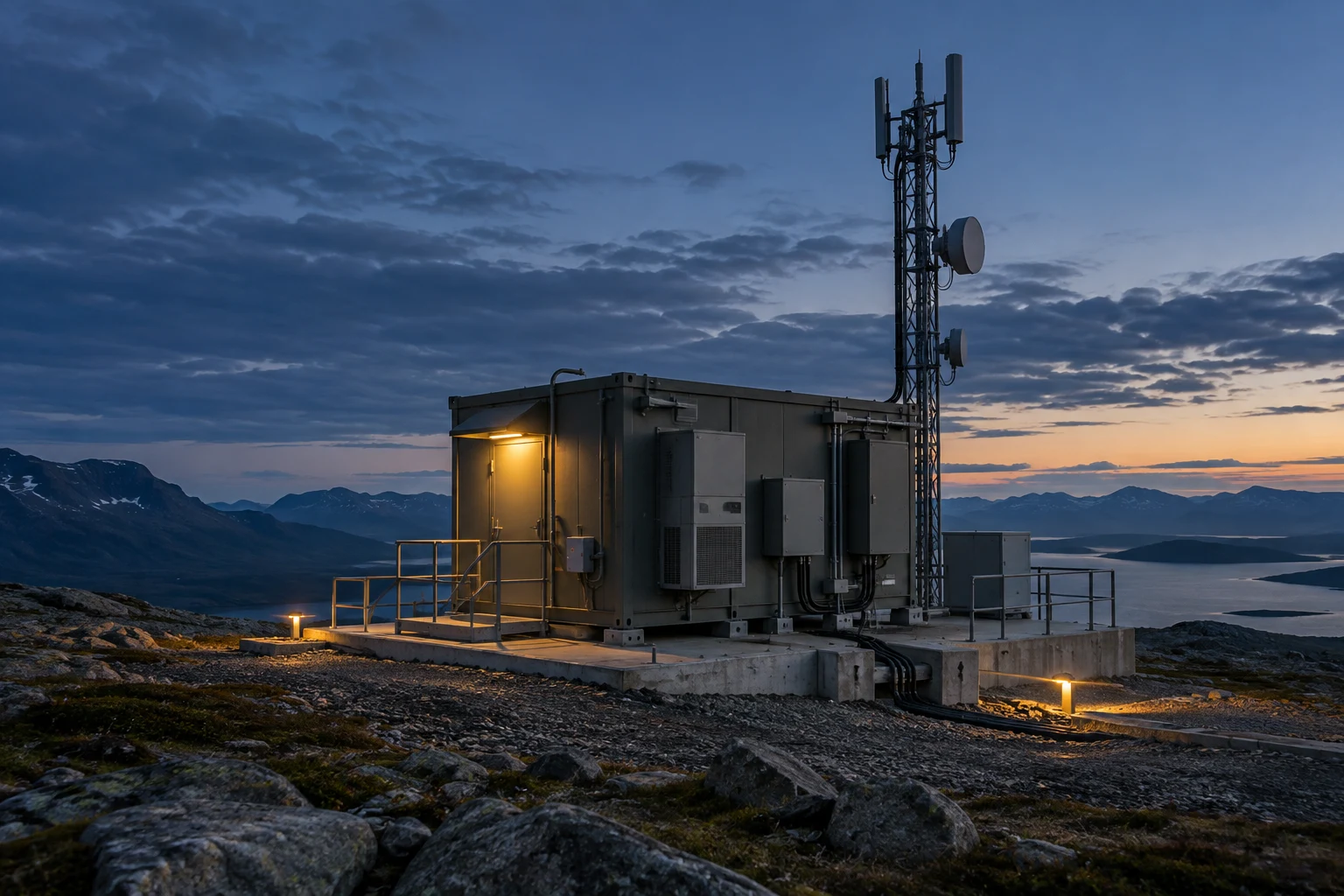
Defense & mission systems
Distributed sensing · Communications · Mission support
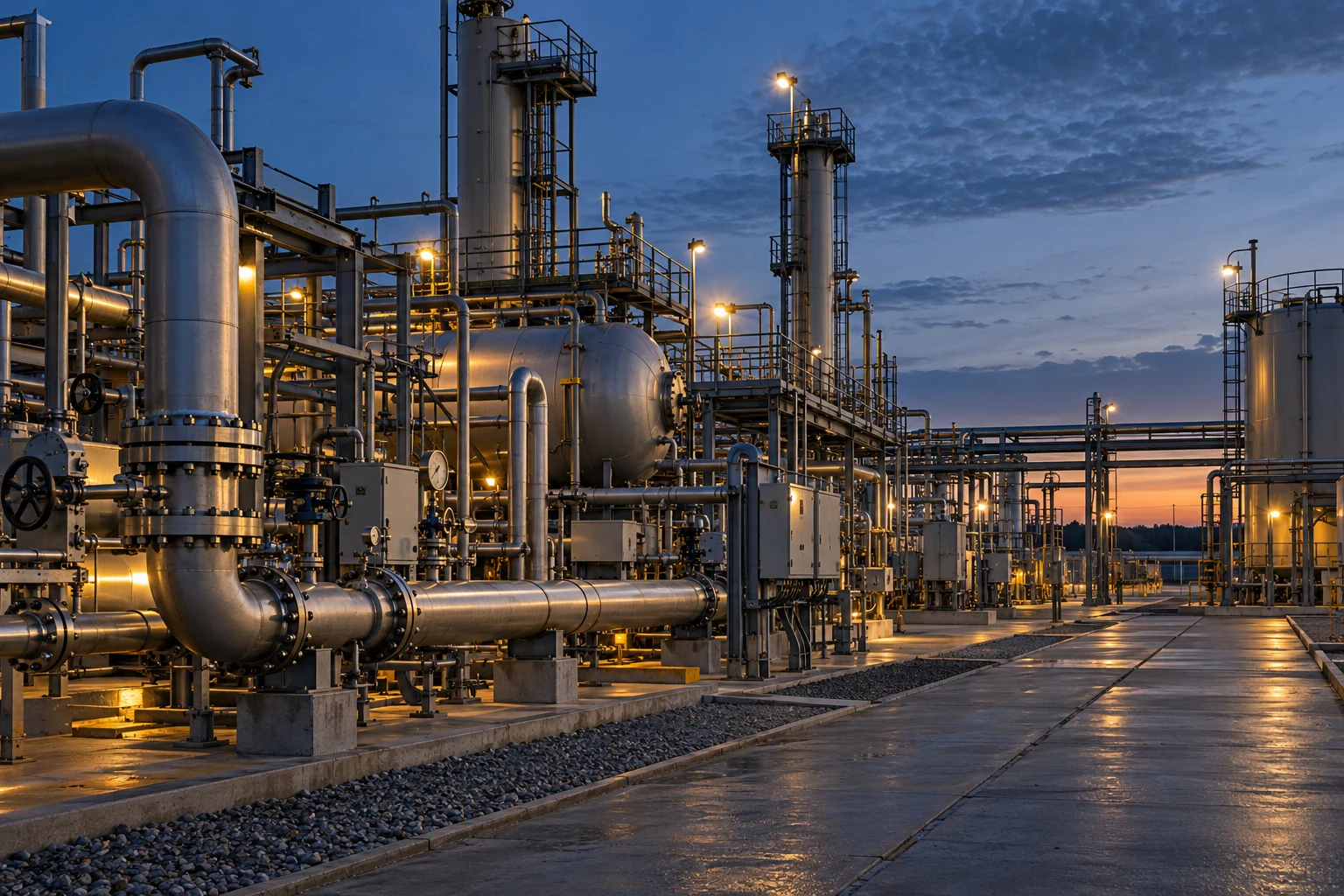
Industrial infrastructure
Manufacturing · Process systems · Industrial networks
Built below
the dashboard.
CarbonDex's technology strategy extends into the foundations of trusted operational data and machine intelligence.
Infrastructure is becoming
more complex.
Understanding must keep up.
From distributed telemetry to operational context, CarbonDex helps teams understand how conditions are developing across complex critical systems.
We bring telemetry ingestion, trusted history, dependency context, machine intelligence, and edge computing into a unified platform direction.
About CarbonDexThe platform provides operational intelligence from the systems you operate. CarbonDex Intelligence publishes research on the external risks around them.
Understand the system.
Before the next critical event.
Your infrastructure already produces the data.
The next step is understanding what it means.