Predictive maintenance
Identify developing degradation and potential failure states where available telemetry supports earlier warning.


Operational context across energy, communications, defense, industrial, and data center infrastructure.
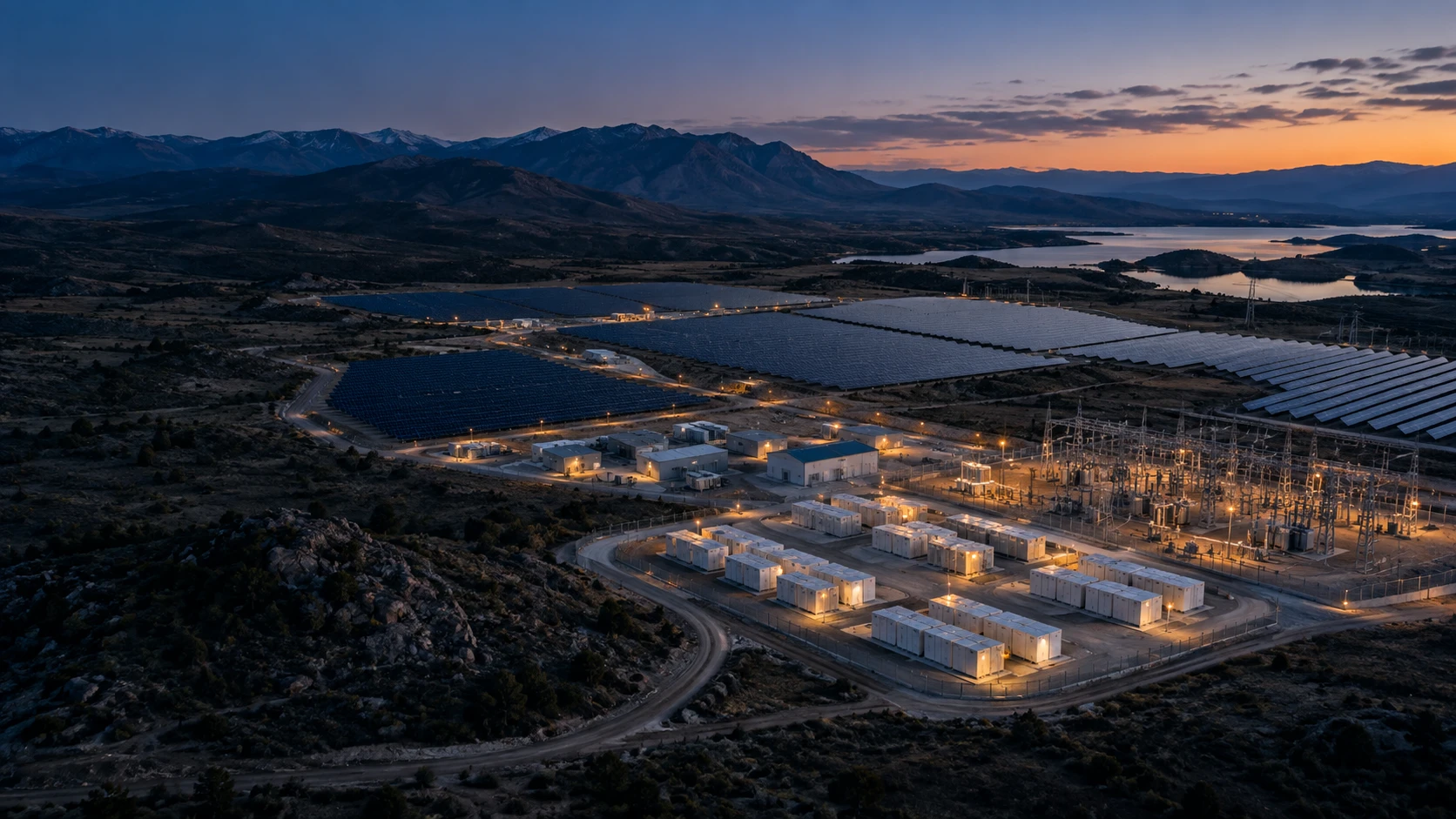
Microgrids, solar, battery storage, utility systems, and distributed generation.
How long can the system sustain current operations?
Connect generation, battery state, equipment availability, and demand. Interpret a degraded inverter in terms of reserve capacity and the loads that depend on it.
Discuss your environment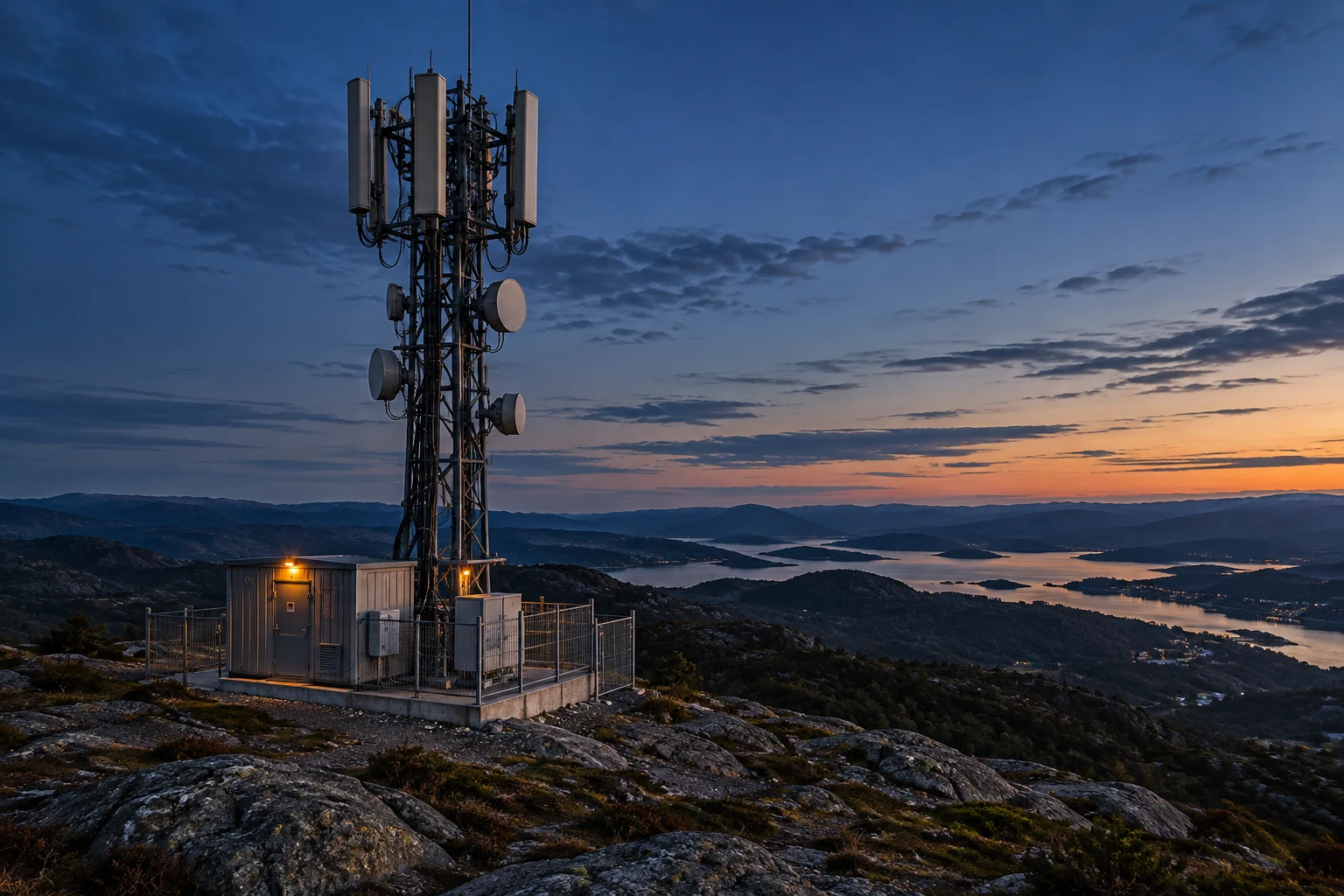
Remote facilities, communications equipment, site power, and edge infrastructure.
Is a communications fault also becoming a power problem?
Correlate equipment state with power and connectivity. Give operators context for investigating site degradation and prioritizing attention across distributed infrastructure.
Discuss your environment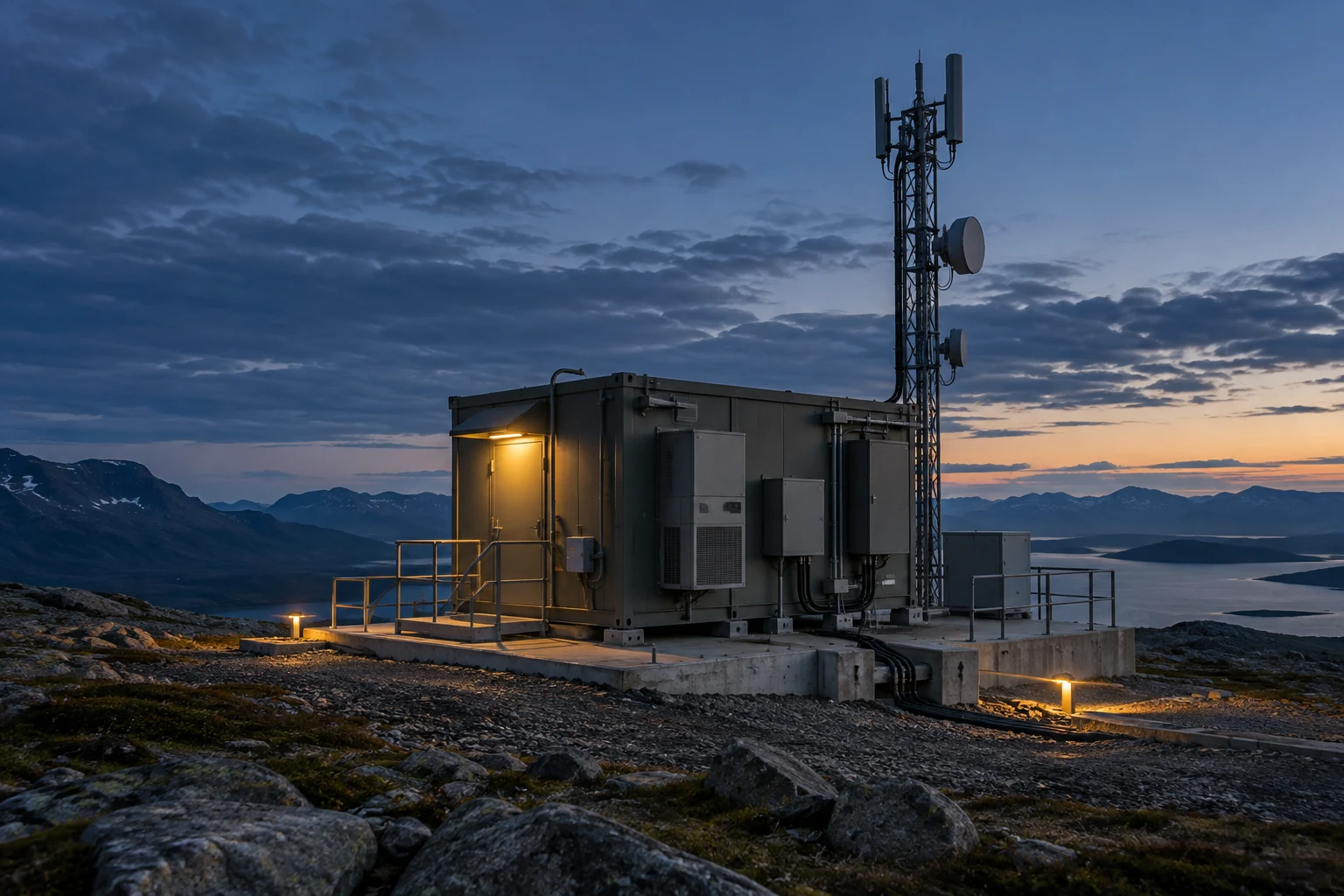
Installation microgrids, communications, base infrastructure, and distributed operating environments.
Which infrastructure conditions put mission continuity at risk?
Relate available energy, communications, and equipment to operational requirements. Designed to support decision-making in constrained or degraded environments.
Discuss your environment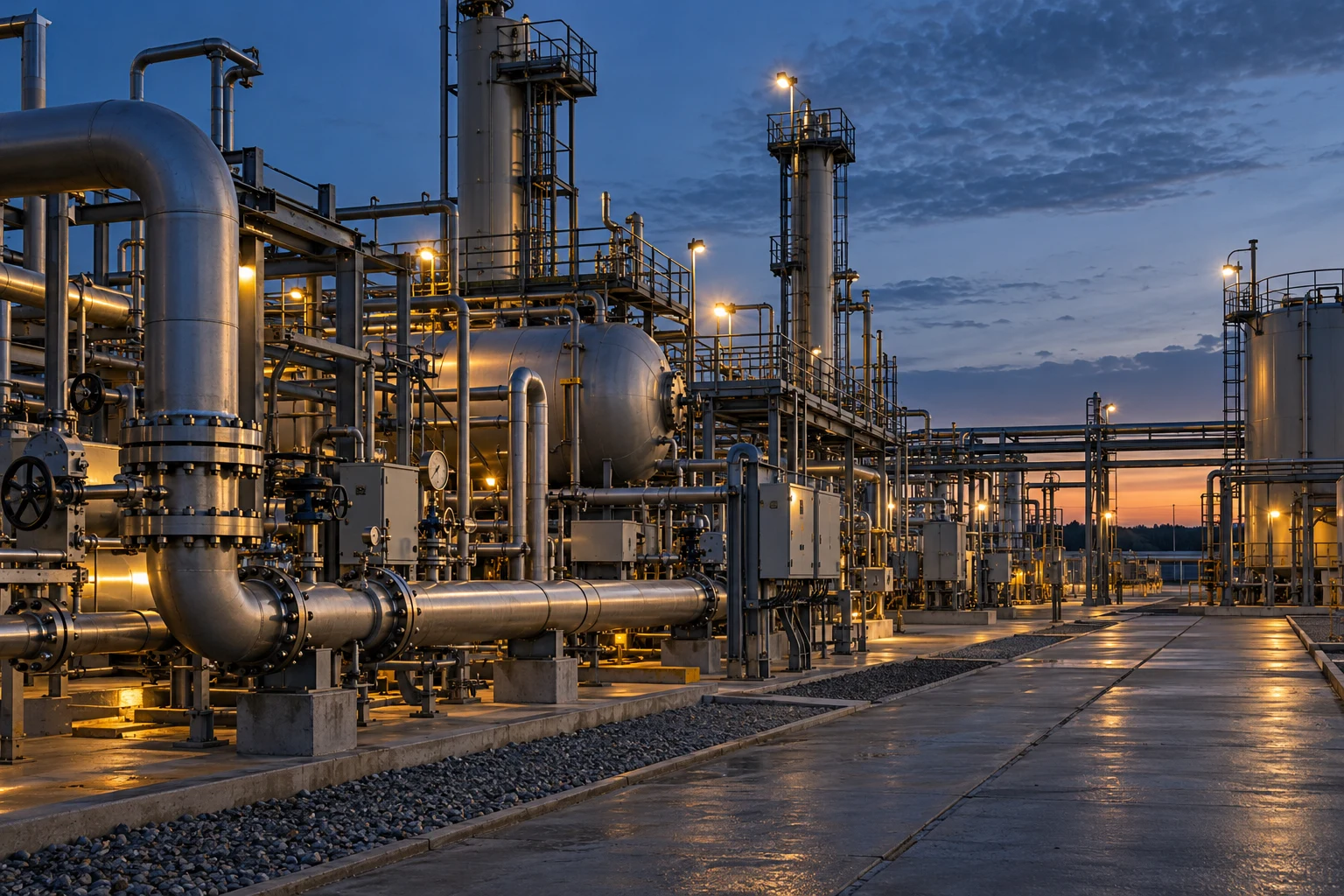
Manufacturing, water, transportation, utilities, and industrial automation.
Which developing condition could affect the wider operation?
Connect equipment behavior and cross-system dependencies to identify where operators should investigate first, before an isolated condition develops into a wider problem.
Discuss your environmentPower distribution, UPS and battery systems, backup generation, cooling plant, and the compute loads they protect.
Is a cooling change about to become a capacity problem?
Relate cooling performance, the power path, and backup reserves to the loads they support, so operators can see when an equipment condition begins to affect availability.
Discuss your environmentAcross several microgrids, CarbonDex can help teams connect local conditions with shared operational needs.
A thermal deviation becomes meaningful when voltage, communications, efficiency, and environmental context are considered together.
Connected operating pictureThis is a hypothetical path, not an inevitable outcome. Each transition depends on equipment, controls, reserve, and operating conditions.
Available output falls.
Reserve absorbs the shortfall.
Demand shifts to remaining supply.
Connected equipment carries more load.
Demand may exceed available support.
Step 1 of 5: localized converter degradation.
Identify developing degradation and potential failure states where available telemetry supports earlier warning.
Maintain a clearer understanding of infrastructure as operating conditions change.
Create one operating picture across distributed assets and facilities.
Connect security events with physical telemetry to investigate potential operational consequences.
Understand generation, storage, load, and resource availability in context.
Investigate relationships between changing conditions and test plausible explanations.
Track changing equipment behavior and operational state over time.
Surface combinations of conditions that may indicate movement toward an undesirable state.
Interpret infrastructure risk against the loads and operational requirements that matter most.
For public-sector evaluation, begin with the infrastructure dependency, data boundary, deployment constraints, and operator workflow. Discuss the evidence required to evaluate suitability for a specific environment.
Discuss an evaluationYour infrastructure already produces the data.
The next step is understanding what it means.